La ruta del honor
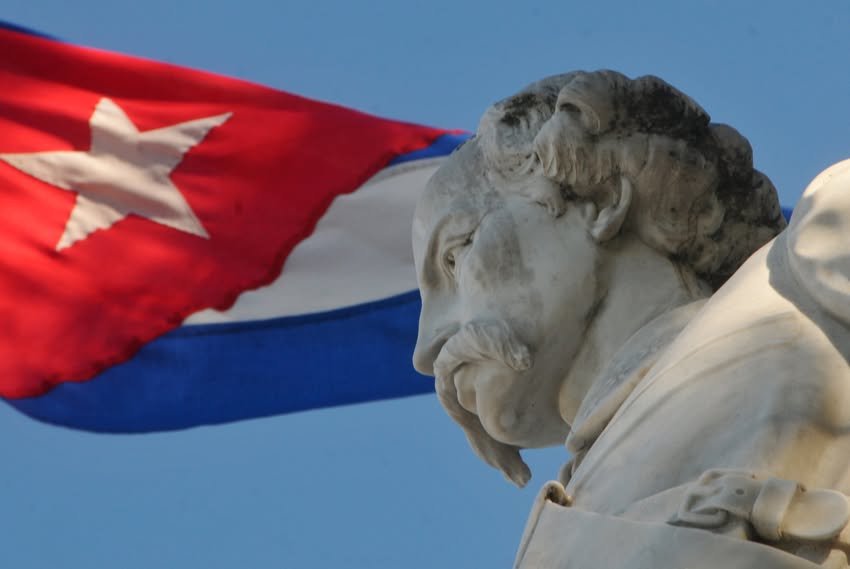
La Ruta del Honor is a cultural and heritage proposal that traces a longitudinal journey through the milestones of the life of Major General Vicente García González, articulating institutions, physical spaces, and digital resources to disseminate his legacy and the history of Las Tunas.
Objective To document, interpret, and disseminate the life and actions of Vicente García through a heritage route that combines in-person experiences and digital content accessible to the community, researchers, and visitors.
Methodology and route • Initial Axis: the route starts from the Casa Natal and the Museo Municipal Vicente García, advancing through the Parque Central Vicente García and the Plaza de la Revolución to the Cementerio Municipal, linking key sites and monuments in the geography of Las Tunas. • Milestone Zones: places such as the Santa Rita farm, San Miguel del Rompe, the ruined barracks, and other points associated with the campaigns and military events led by Vicente García are marked. • Living Narrative: the museography will recreate stages of his life—childhood, family, commitment to independence—integrating objects, mannequins, panels, and interactive resources.
"The Route of Honor is a project that, as its name indicates, is a route -which through several institutions- traces a longitudinal line in the life of Major General Vicente García González."
"Virtuality as a concept is born in the Museo Municipal Vicente García where the general's birthplace was located, with the installation of an Interpretation Center in a physical environment where the virtual environment will converge."
Digital platform and accessibility • Database and server: the information will be hosted in the Data Center for Tunera Culture, with hierarchical records, user management, and permissions. • Site files: each record will include a historical description, materials, dimensions, authors, restoration processes, images, and audiovisuals. • QR codes in situ: each monument will have a QR code that connects the physical site with the online file, offering texts in Spanish and English, galleries, plans, and audiovisuals in sign language and audible formats to ensure inclusion. • Interoperability: the platform will allow links to news, events, and tourism resources to enhance national and international dissemination.
Standards, quality, and management • Standards: identification and documentary description will comply with the ISAD(G) International Standard and ISO standards for digitization. • Quality control: writing, review, and validation processes prior to the publication of each record. • Institutional management: a project coordinated by the Provincial Center for Cultural Heritage together with museums, the Office of Monuments, and other local and national institutions.
Initial scope and sustainability • Necessary resources: equipment for digitization (computers, aerial scanner, digital camera, printer), efficient connectivity, and technical staff specialized in heritage and content management.
Cultural value The project offers an integrated reading of local history, combines tangible and intangible heritage, and creates a bridge between collective memory and new technologies, allowing residents and visitors to explore, understand, and value the life and work of one of the main heroes of Las Tunas.
- Type
- digitalizacion
- Location
- Las Tunas, Cuba
- Years
- 2026–2030